I Grew 100kg of Food on My Allotment. Here's What I Learned.
I’ve grown over 100kg of food on my allotment in 2026. From bumper tomatoes and prolific Tromboncino to disappointing potatoes and onions, here’s what worked, what didn’t, and what I’m changing for next year.
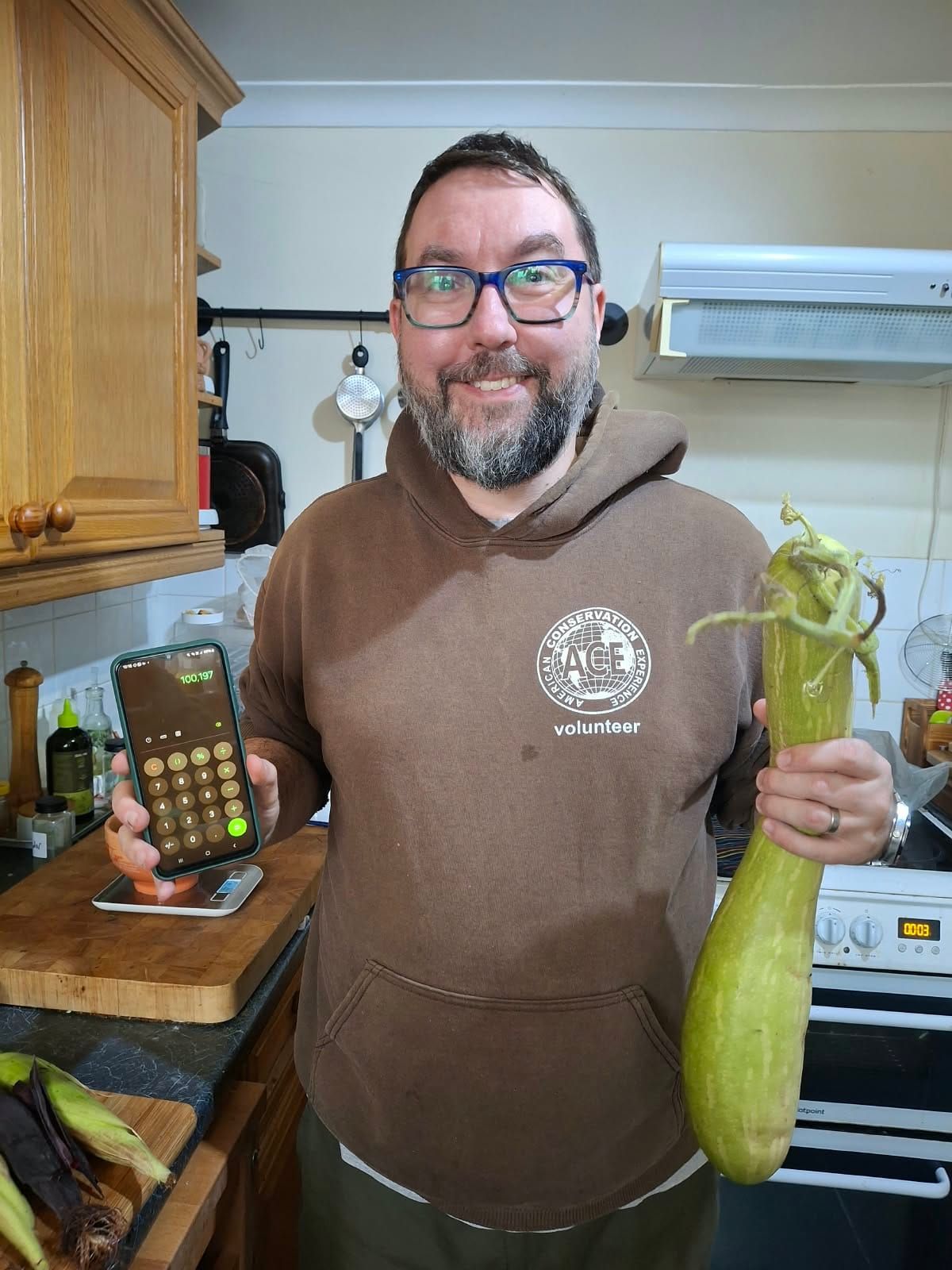
I crossed the 100kg mark on a rainy Saturday, during a quick visit to tidy the allotment.
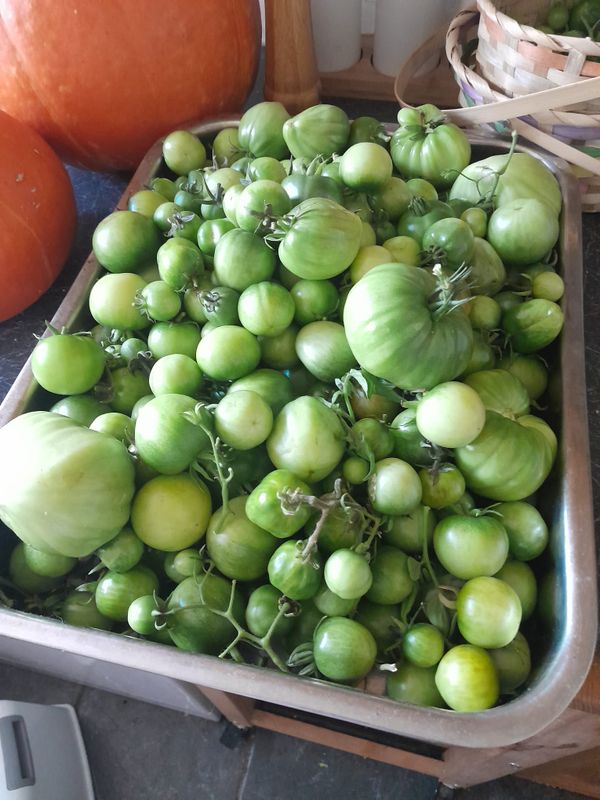
There was no dramatic harvest festival. No perfect basket of prize-winning vegetables. Just a pile of green tomatoes, a few surprisingly red ones, some slightly questionable corn and the final four squash: two Tromboncino, one Butternut and one small Crown Prince.
Together, they took my 2026 harvest total to 100.197kg.
That moment was satisfying partly because I had been deliberately chasing the target. When the numbers were falling behind in September, I took corrective action. None of those changes has fully paid off yet, either, so there are still plenty of greens in pots to come, including chard, pak choi, cavolo nero and Chinese cabbage.
Reaching 100kg has been a useful milestone, but it has also made me think more carefully about what I grow, how I spend my time and what makes a harvest genuinely worthwhile.
The final push to 100kg
The last harvest was a good reminder that gardening milestones are often reached through ordinary jobs rather than perfect conditions.
I was at the allotment to tidy up in the rain. The tomatoes needed clearing, the corn looked as though it might or might not be edible, and the squash plants were giving up their final fruits. It was not the most glamorous harvest, but it was enough.
The exact total is 100.197kg.
I had been keeping track in a Google note throughout the year, which made it possible to see when I was falling behind and decide whether I needed to change course. Recording everything turned the challenge into a small game, and that made the process more motivating.
It also gave me a much clearer picture of what was actually productive.
Tomatoes did most of the heavy lifting
The biggest lesson from the harvest is not particularly surprising: tomatoes were the stars.
Tomatoes. Always tomatoes.
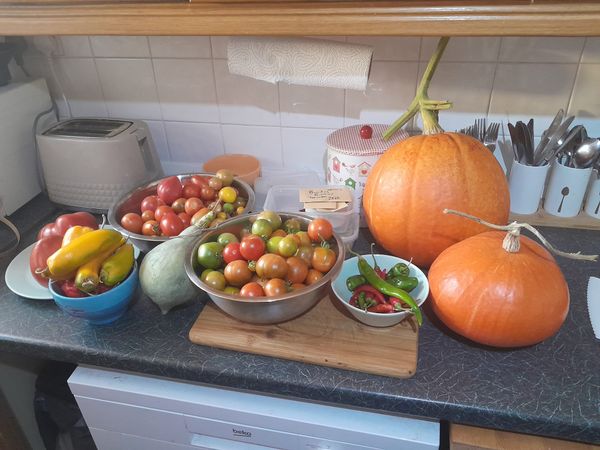
They gave me the best return for the time and space they needed, and the heat this year was excellent for both outdoor tomatoes and peppers. I saved seeds from my best plants, and I am trying to overwinter two particularly good pepper plants. I have also taken cuttings from my best Bloody Butcher tomato.
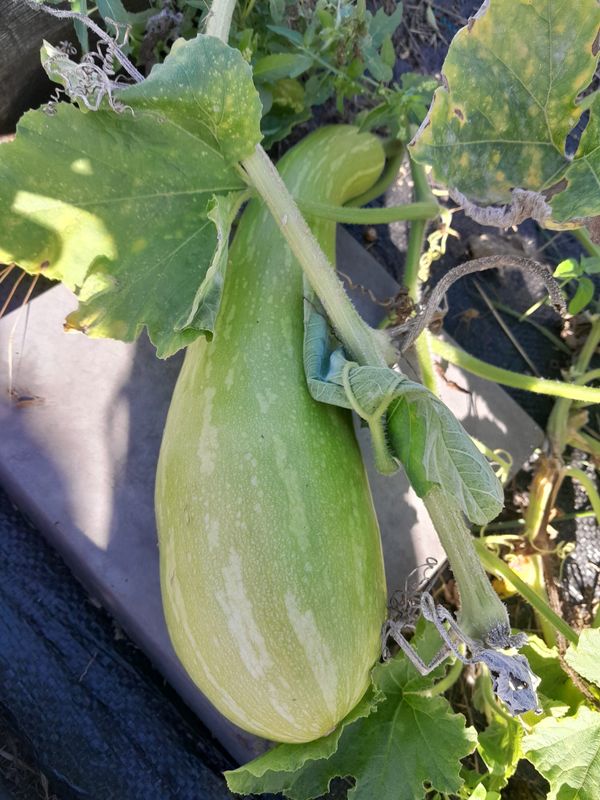
Tromboncino was another standout. It was wildly prolific this year, producing far more than I expected.
The final squash harvest included two Tromboncino, a Butternut and a small Crown Prince. The Atlantic Giant pumpkin was also a success of sorts. It was excellent for carving, although not especially exciting to eat. That has made me want to try growing a bigger pumpkin next year, even if I am not yet sure how sensible that is.
Not everything worked
A 100kg harvest does not mean every crop performed well.
The potatoes were small this year, largely because conditions were so dry. I grew more potato buckets than usual, but they produced about the same amount as before. More containers did not solve the underlying problem.
The corn was underwhelming too. It was planted late, so that failure is partly my own fault. The allotment onions were also poor, although I have found a different method I want to try next time.
These crops were useful reminders that growing more does not automatically mean harvesting more. Sometimes the better response is to improve the method rather than simply add more plants, containers or space.
The methods that helped most
Weed fabric has been incredibly helpful. It has reduced the amount of time I spend fighting weeds and made the plot easier to manage when life gets busy.
Massive pots have also worked well, particularly for peppers. In my experience, the bigger the pot, the better. Larger containers give plants more room for roots and hold moisture for longer, which is especially useful during hot, dry weather.
The challenge itself was realistic alongside normal life, but that does not mean it was effortless. Sowing, planting and watering still require regular attention. Keeping everything alive can become a grind, particularly when visits to the allotment have to fit around work and the rest of life.
Next year, I want to automate or reduce the burden of watering and weeding wherever possible. The aim is not to eliminate work completely. It is to spend less time on repetitive jobs and more time on the parts of growing that are actually rewarding.
What I would do differently
The 100kg target encouraged me to grow more, but reaching it has changed what I want from next year's harvest.
I am less interested in chasing pure volume and more interested in producing usable, good-quality food.
That means addressing the poor potato and onion results, improving watering and weeding systems, and being more selective about which crops deserve space. I am also seriously considering growing a bigger pumpkin.
I have not decided on a new overall harvest target for 2027. Instead, I may focus on individual plants and make key improvements with them. A target such as growing 10kg of tomatoes in the back garden could be more useful than setting another large number simply because I reached the first one.
Is 100kg realistic for everyone?
It can be, but it depends on your space, time and growing conditions.
If you have a large allotment and plenty of time, 100kg may be a realistic challenge. If you have a small garden, balcony or only a few containers, it may not be the right target.
That does not make your harvest less worthwhile.
Choose a smaller target or focus on one crop. Could you grow 10kg of tomatoes in your back garden? Could you harvest a certain number of cucumbers, potatoes or salad leaves? A focused challenge can be just as motivating, and it may teach you more about what works in your particular space.
The important thing is to choose a target that fits your life.
Why tracking made a difference
Recording the weights motivated me throughout the season. It turned growing food into a simple game and gave me a reason to keep going when individual harvests felt small.
It also helped me spot when I was falling behind. That gave me the chance to take corrective action rather than discovering at the end of the year that I had missed the target by a wide margin.
Most importantly, the records showed me which crops were worth the space and effort. The answer was clear in the case of tomatoes. Other crops need a rethink.
You do not need complicated software to start. A notebook, spreadsheet or phone note is enough. The value comes from recording consistently and looking back at the results.
The main lesson: grow what is worth growing
The biggest lesson from reaching 100kg is that you do not have to do everything on your allotment.
You need to work out what is actually worth doing with the time you have.
That might mean growing more tomatoes and fewer crops that repeatedly disappoint. It might mean using weed fabric, larger pots or better watering systems. It might mean setting a smaller target that fits your available space. It might even mean accepting that some crops are not worth growing for you.
A successful growing year is not measured only by the total weight. It is also measured by how much of the harvest you use, how much effort it required and whether you want to do it again.
For me, 100kg was a satisfying milestone. But the next challenge is to grow more food that I genuinely want to eat, with less unnecessary work.
Download the free 100kg Plot Tracker
If you want to see what your growing space can produce, try tracking your harvests this year.
You can download my free 100kg Plot Tracker using the existing After Hours Allotment signup page. Use it to record your harvest weights, see which crops are doing the most work and decide where your time and space are best spent.
You do not need an allotment, unlimited time or a perfect growing season. Start with a target that suits you, weigh what you harvest and see where it takes you.