What to Sow in October on an Allotment — What's Still Worth Planting?
Wondering what you can still sow or plant in October? Here's what’s actually worth growing on an allotment when time, space and energy are limited.
October can feel like the point when the allotment is winding down.
The summer crops are starting to finish. The evenings are getting shorter. There are weeds that have been quietly waiting for you to notice them, and probably a list of jobs that you'd like to get done before winter.
But October doesn't mean the allotment is finished.
There are still things you can sow and plant now that will give you something to harvest over the coming months.
The question is whether you actually need to.
Because if you're anything like me, time is probably the limiting factor.
And when you've only got a limited amount of time at the allotment, I don't think the answer is to try to squeeze another twenty crops into every available space.
It's to choose the things that are actually worth your time.
October isn't about filling every empty space
There's a temptation at this time of year to look at an empty bed and think you should be growing something in it.
But an empty bed isn't necessarily a problem.
If you've already got more than enough to harvest, eat and preserve, spending your limited allotment time planting another crop may not be the best use of it.
That's particularly relevant on my own plot at the moment.
It definitely needs a tidy-up.
There are jobs waiting to be done.
But I've had limited time, and I've had to prioritise harvesting and preserving the food that's already there.
And looking at this year's harvest, I'm pretty happy with that decision.
So when deciding what to sow in October, I'd start with a simple question:
What will I actually eat?
Garlic
If you want something that's relatively straightforward and doesn't require constant attention, garlic is a good place to start.
October is a useful time to plant autumn garlic, although exactly when you plant will depend on the variety and your conditions.
Separate the bulb into individual cloves and plant the cloves with the pointed end facing upwards.
Give them reasonable spacing and choose a spot with good drainage.
Then, essentially, leave them to get on with it.
They'll spend the colder months establishing themselves before putting on more growth in spring.
That's one of the things I like about crops such as garlic.
You do the work now and then the allotment gets on with some of the job for you.
For a busy gardener, that's useful.
Winter salads and hardy leaves
If you want something to keep producing through the colder months, winter salad crops are worth considering.
Depending on your conditions and the variety, you can sow things such as:
- Winter lettuce
- Lamb's lettuce
- Spinach
- Hardy salad leaves
- Some oriental leaves
The exact options available will depend on where you are, your growing conditions and what's still available to sow at this point in the season.
But the principle is simple:
Look for crops that can tolerate the conditions you're about to give them.
October isn't the time to expect summer crops to suddenly get going.
You're looking for things that can cope with shorter days and colder temperatures.
Don't grow something just because you can
This is probably one of the biggest lessons I've learned from having an allotment.
Just because something can be grown doesn't mean you should grow it.
Broad beans are a good example for me.
I don't grow them anymore because nobody in my house actually eats them (this may also become true of aubergines next year).
There's not much point dedicating valuable growing space, time and effort to a crop that's going to sit in the kitchen wondering why I've grown it.
The same applies to any crop.
If you don't like it, don't grow it.
If your family won't eat it, don't grow it.
If you tried it last year and didn't enjoy growing or eating it, you don't have to give it another chance simply because somebody on the internet says you should.
Grow what you actually want to eat.
It sounds obvious, but it's surprisingly easy to forget.
What about planting rather than sowing?
It's also worth remembering that October isn't only about sowing seeds.
Depending on what's available and what suits your growing conditions, autumn is also a useful time for planting things such as:
- Onion sets suitable for autumn planting
- Overwintering plants
- Young plants that are suitable for growing through winter (think microgreens)
For a busy allotment gardener, planting established material can sometimes make more sense than starting everything from seed. This is why I've grown most of my winter brasicas from plugs this year.
You're not trying to win a prize for doing everything the most complicated way possible.
You're trying to grow food.
What I'd skip
This might be the most useful section of the whole article.
You don't need to sow something simply because a gardening calendar tells you that October is a possible sowing month.
If you're already busy harvesting, preserving and looking after the crops you've got, it's perfectly reasonable to leave some beds alone.
In fact, that's probably what I'm going to do with some of mine.
There's a difference between an empty bed and a wasted bed.
An empty bed can be:
- A place for next year's plans
- Somewhere to add compost
- An opportunity to suppress weeds
- A future growing space
- Or simply somewhere you haven't decided what to do with yet
You don't have to fill it immediately.
What's happening on my allotment?
At the moment, my allotment is a slightly strange mixture of “this really needs a tidy-up” and “I've just harvested another load of vegetables.”
And if I'm honest, the second one has been winning.
I've had limited time available, so I've concentrated on getting the harvest off the plot and then dealing with it at home.
That's meant less time for tidying beds and clearing things than I'd ideally like.
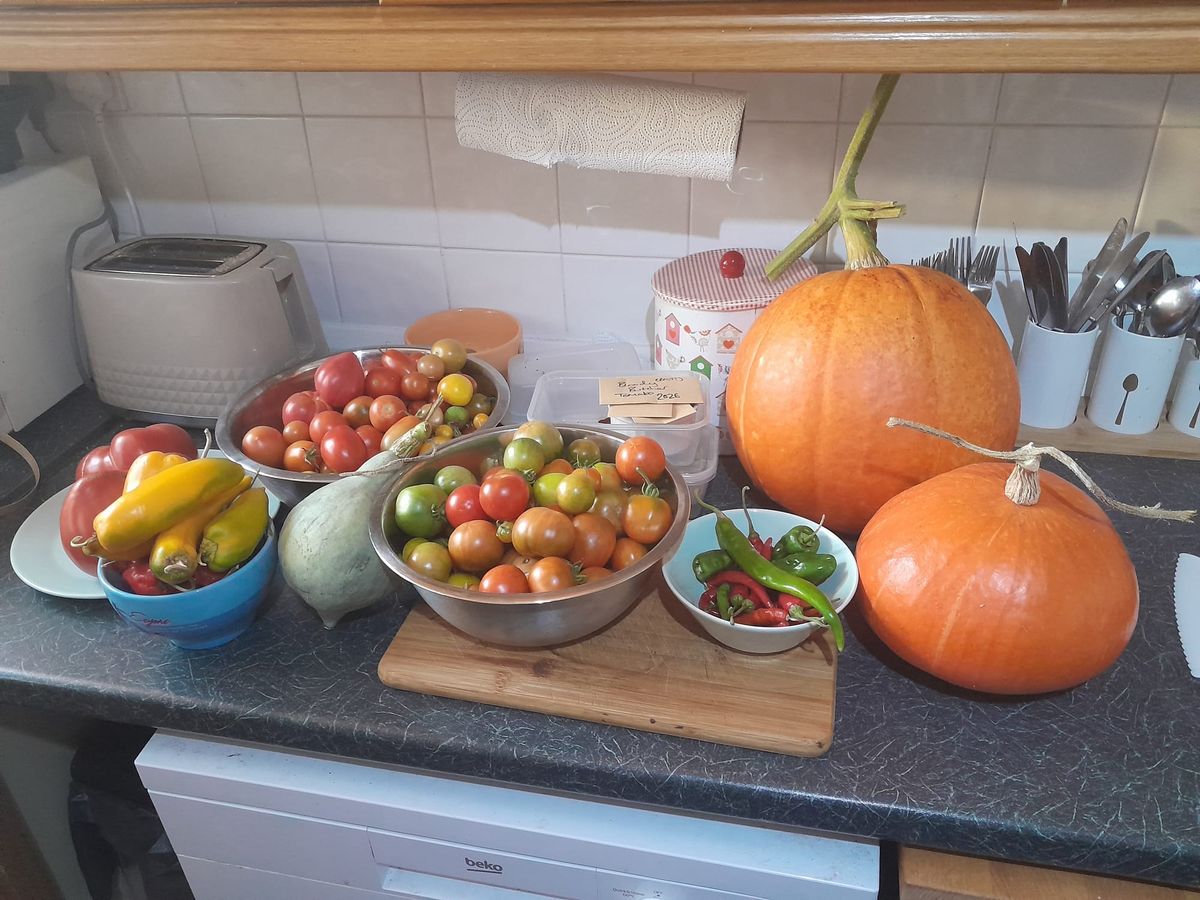
But the harvest has been very good.
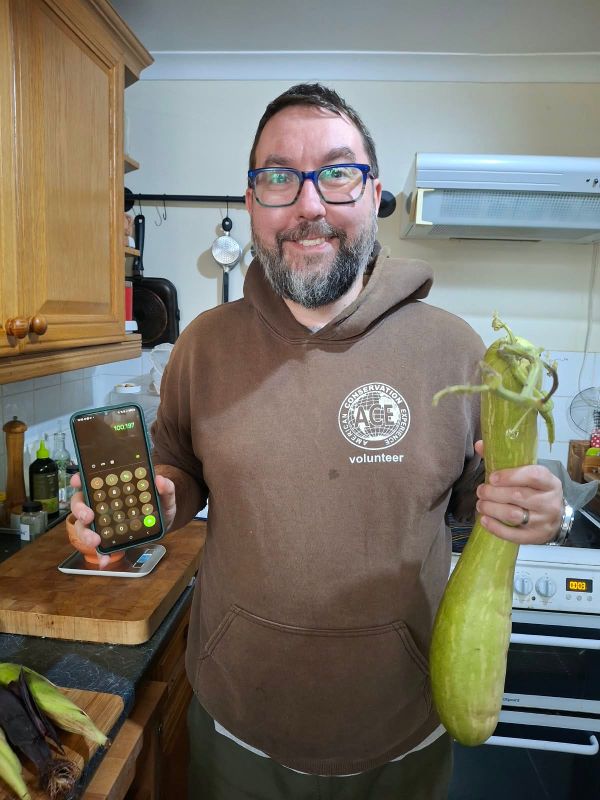
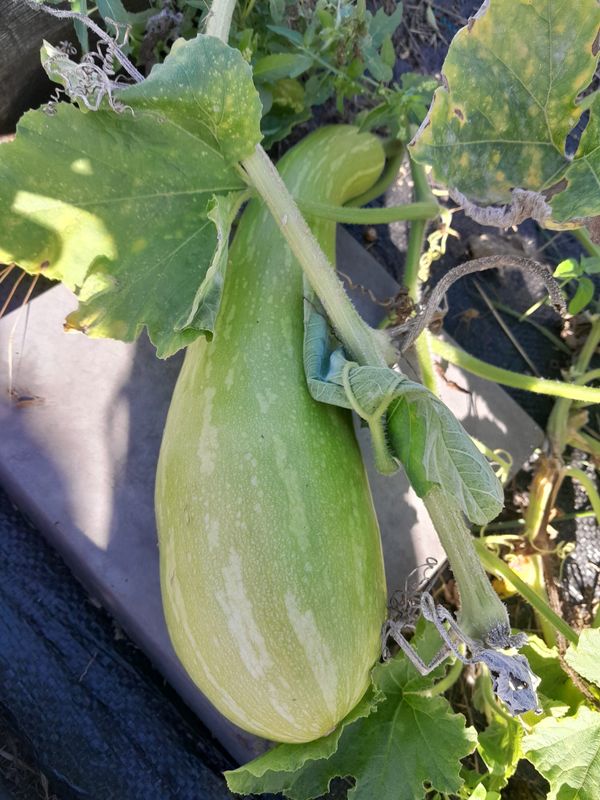
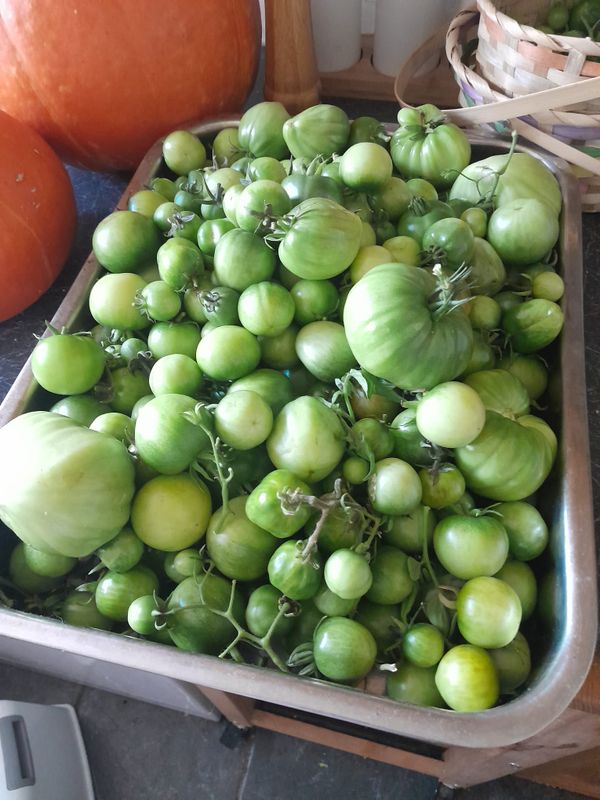
In the last few weeks alone I've brought home tomatoes, peppers, courgettes, cucumber, squash, pumpkin, corn and chives.
The numbers are starting to tell an interesting story.
How is the 100kg challenge going?
The 100kg challenge is starting to look rather more achievable than it did earlier in the year.
At the time of writing, I've harvested:
82.973kg
from the allotment in 2026.
That's quite a milestone in itself.
I've now beaten my entire vegetable harvest from 2025, and I'm only around 3kg short of my all-time recorded harvest from 2024.
I didn't weigh my harvests during my first two growing years, so I don't have proper figures to compare.
Realistically, though, those early years produced considerably less. I had less experience and fewer growing beds, so this year's total is a much better reflection of how productive the plot has become - and I'm particularly proud of this given how difficult growing conditions have been this year.
There's still a way to go.
The target is 100kg, which means I need another:
17.027kg.
With October still ahead and some crops still coming off the plot, particularly the squash and pumpkins, I'm genuinely starting to wonder whether we'll get there.
What's interesting is that the challenge has also changed how I think about the allotment.
It's very easy to look at a plot and see everything that needs doing.
At the moment, mine definitely needs a tidy-up.
But I've had limited time, and I've had to make a choice about where that time goes.
Harvesting and preserving food that's ready to come off the plot has won.
And looking at the numbers, I think that's been the right decision.
The plot might not look as tidy as I'd like, but it's producing more food than it ever has before.
I'll take that.
So, what could you actually sow in October?
If you've got limited time, I'd keep it simple.
Consider:
- Garlic
- Winter salads
- Spinach
- Lamb's lettuce
- Hardy salad leaves
- Other suitable overwintering crops for your conditions
But don't feel obliged to:
- Fill every empty bed
- Grow crops nobody will eat
- Start complicated projects
- Sow something simply because a gardening calendar says you can
The best October crop isn't necessarily the one that gives you the most potential food.
It's the one that earns its place on your allotment.
October doesn't have to be about doing more
That's probably the biggest lesson I'm taking from this point in the growing year.
There is always another job.
There is always another crop you could sow.
There is always another bed you could clear.
But an allotment is supposed to fit into your life, not consume it.
Right now, my priority has been getting food off the plot and making sure we actually use it.
The tidying can happen.
The beds can wait.
And if I get some garlic planted along the way, even better.
Because sometimes the best allotment decision isn't “What else can I do?”
It's:
“What actually matters most right now?”
And at the moment, that's getting the harvest in.
Keeping up with the allotment
If you're trying to keep an allotment productive without allowing it to take over your life, welcome to the club where we're figuring it out as we go.
I'll be sharing the harvest, the jobs, the successes, the things that don't work and whether this year's 100kg challenge actually gets over the line.