My Allotment Is a Mess. Here's What I'm Not Doing About It This Winter
My allotment is a mess, I'm short on time, and I'm not trying to do everything this winter. Here's what I'm prioritising now to make next year's growing season easier.
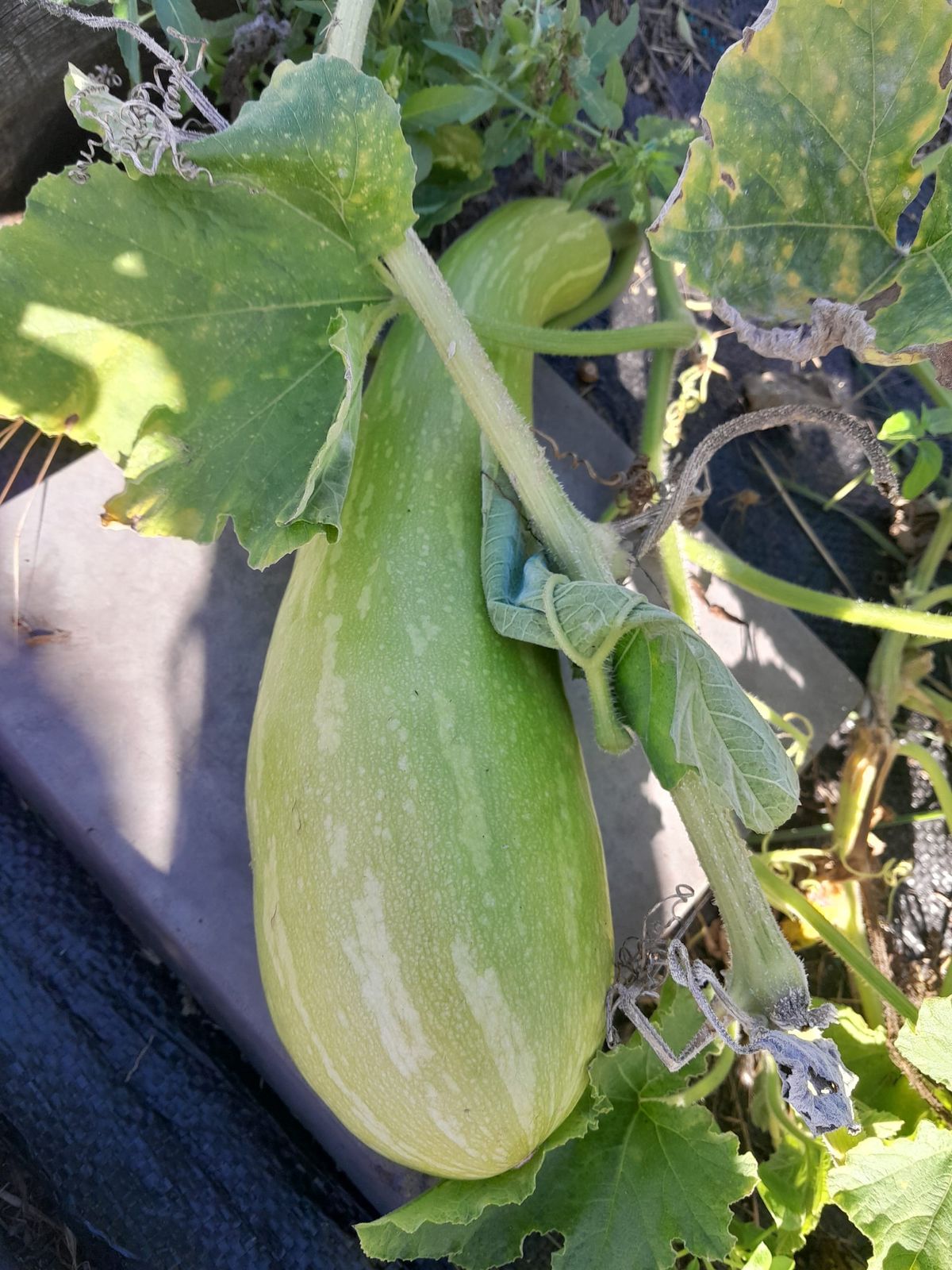
My allotment is a bit of a mess at the moment.
I haven't been up there for a week and a half. I've got a building project going on at home, and that has rather taken priority over keeping on top of the plot. There are only so many hours in a week, and apparently I'm expected to use some of them on things other than growing vegetables.
Ideally, I'd be one of those organised allotment gardeners who has everything cleared, beds prepared and winter crops tucked up neatly under their protective netting by now.
I'm not.
And I've decided that's fine.
Not because I don't care about the allotment, but because I've started to work out that the trick isn't doing everything. It's deciding what is actually worth doing with the time you've got.
So here's what I'm concentrating on this winter — and, just as importantly, what I'm not.
I'm not growing winter brassicas this year
In an ideal world, I'd be replanting some of my beds with brassicas for winter and spring.
Cabbages, kale and the like can be useful crops to have growing through the colder months. But they also need protecting from pigeons and other pests, which means netting them properly.
And I know myself well enough to recognise that I don't currently have the time to do that effectively.
I could plant them anyway and hope for the best. I could spend money on plants that might end up being a very expensive lunch for something with feathers.
Or I could accept that this isn't the right year for them.
I'm going with option three.
There will be other opportunities to grow brassicas. Right now, I'd rather concentrate on things I can realistically manage than add another job to a list that's already longer than I'd like. What I have been able to do as a half win is putting some Cavalo Nero into pots in my garden at home. With luck we get greens and limited slug and pigeon damage.
There's a difference between giving up on a crop and deciding it doesn't fit the circumstances you've got. I'm trying to get better at recognising the difference.
The green tomatoes have come home with me
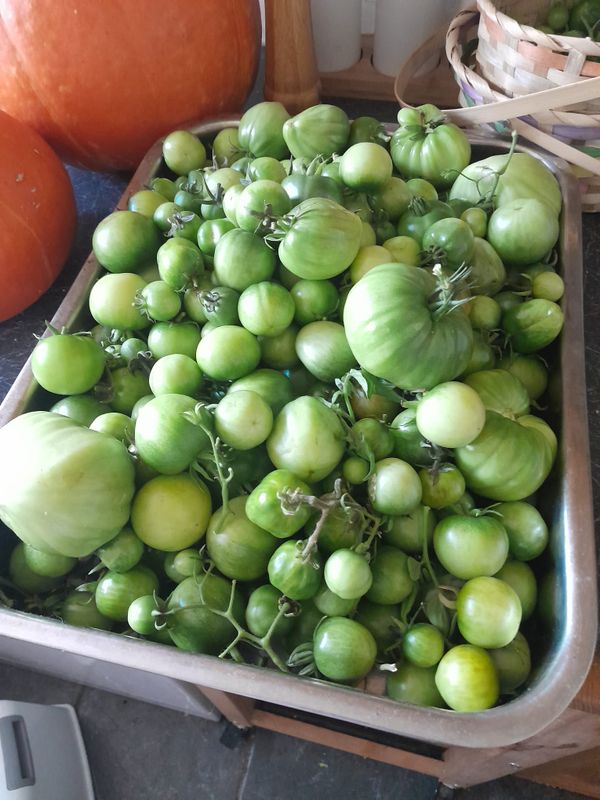
One thing I did get done was stripping the remaining green tomatoes from the plants.
They're now sitting in a cardboard box at home, ripening away from the plants. I'll see how many make it to the kitchen table rather than the compost.
It's a small job, but a useful one. The plants have had their chance for the year, and there's no point leaving the remaining fruit out there if I can bring it home and give it a chance to ripen.
It also feels like a reasonable place to draw a line under the tomato season.
I've spent a lot of this year growing, harvesting and weighing tomatoes. The final total is still being worked out, but I'm within 6kg of my 100kg harvest target for the year.
That's close enough to make the finish line feel real.
I'm not going to turn that into a reason to squeeze every possible crop out of the plot over winter, though. Getting to the target matters, but so does what happens after it.
I'm starting next year's crops, not trying to fill every bed
I've started garlic and onions in trays, and that has worked well.
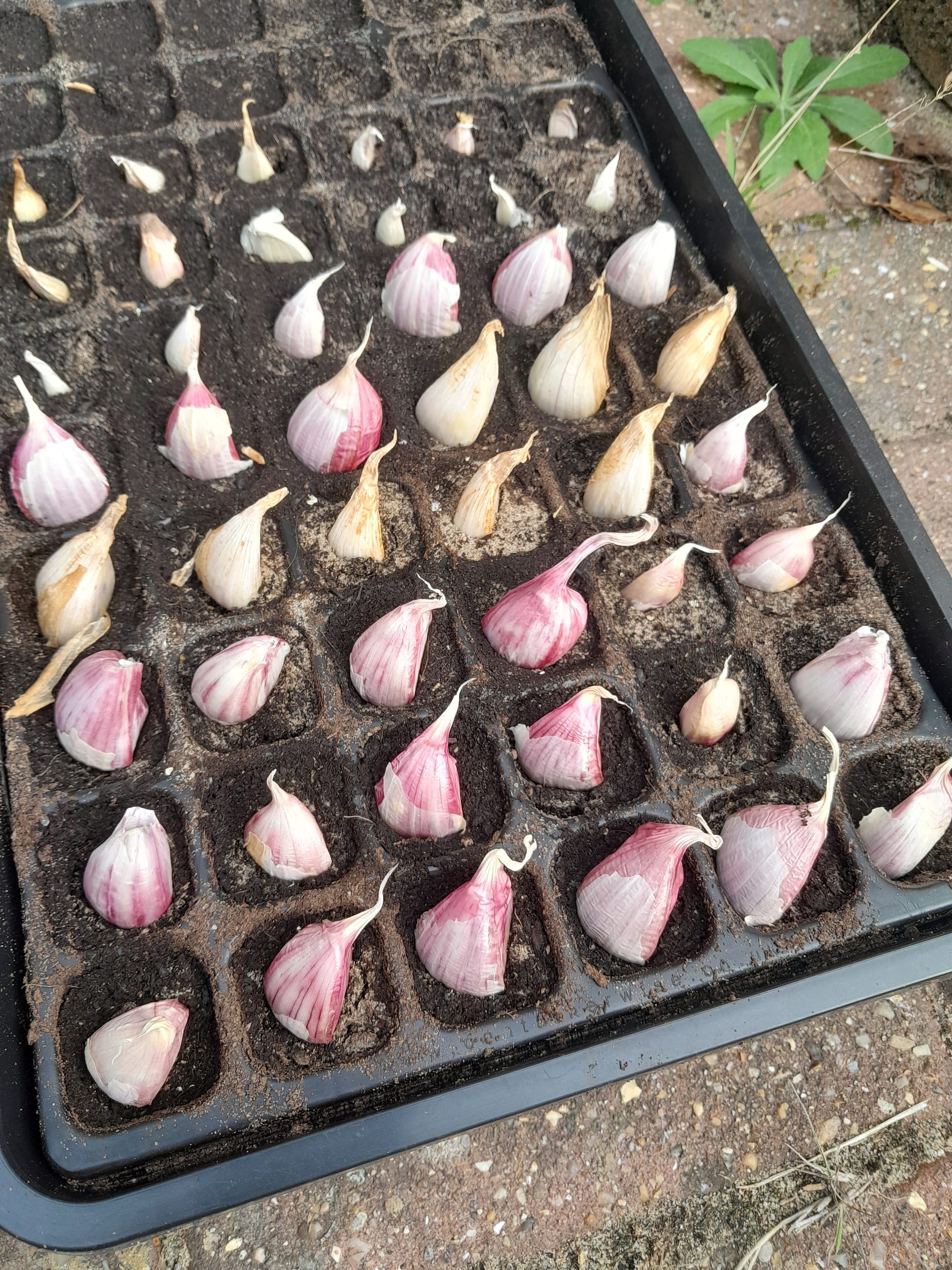
They're useful crops to get going without needing me to transform the entire allotment into a perfectly prepared winter growing operation. I can make a start on them and keep moving forward without taking on a huge list of jobs.
I'll also get some spring bulbs going soon.
Those are the sorts of things I want to make room for: small, worthwhile jobs that move things along without requiring me to spend every available hour at the plot.
I'm not saying that everyone should grow garlic and onions in trays, or that spring bulbs are more important than winter vegetables. This is simply what makes sense for me at the moment.
If you've only got a few hours a week, the question isn't just what could I grow?
It's what can I grow and look after without making the whole thing unnecessarily difficult?
That's a slightly different question, and I think it's a more useful one.
I'm going to cover more of my beds with weed fabric
This is probably the biggest practical change I'm planning for winter.
I used weed fabric around my tomatoes and Tromboncino this year, and it worked really well. It helped keep the weeds down in those growing areas, which meant less time spent trying to keep on top of them.
I'm planning to cover the beds I have with it over winter.
It's not the most exciting allotment job. Nobody is going to come and admire a beautifully covered bed in quite the same way they might admire a row of prize-winning tomatoes.
But that's rather the point.
If I can spend some time now protecting the beds and reducing the amount of weeding I'll need to do later, that's time I can use for something else. Growing, harvesting, or simply getting home before the next job starts calling.
I want to be a bit more deliberate about setting the plot up to be easier to manage, rather than repeatedly fighting the same battles.
The weed fabric isn't going to solve every problem, and I'll still need to keep an eye on the beds. But I've seen enough benefit this year to make it worth doing more of it.
Sometimes the best improvement you can make to an allotment isn't another crop. It's finding a way to make the crops you already grow less work.
I'm thinking about next summer, not just getting through winter
There's another reason I'm not putting all my energy into growing through the colder months.
I'm looking ahead to 2027.
If next summer is even hotter than this one, I want to be in a better position to manage it. I don't have every detail of that plan worked out yet, but I know I want to spend some of the winter making the plot easier to manage and better prepared for the growing season ahead.
That means thinking about how I use my beds, where I can reduce unnecessary work and what will make a difference when the weather warms up.
It doesn't necessarily mean doing more. In fact, I suspect it will mean being more selective.
There will always be another crop I could try, another bed I could prepare and another job I could convince myself ought to be done immediately.
But I've only got so much time. At the moment, some of that time is going into a building project at home, and I'm not going to pretend otherwise.
I'd rather make a few sensible improvements than set myself an ambitious winter plan that looks lovely on paper and becomes another thing I feel guilty about not finishing.
So yes, the plot is a mess. And that's not the whole story.
There are things I could be doing at the allotment right now. There are beds that need attention, and I'm sure there are jobs I've forgotten about entirely.
But I've stripped the green tomatoes. I've got garlic and onions started. I'll get the spring bulbs planted, and I'll work on covering the beds to reduce the weeding I'll have to do next year.
I'm not planting winter brassicas that I don't have time to protect properly. I'm not trying to grow something in every available space just because the space is there.
And I'm not treating an untidy allotment as proof that I've somehow failed at it.
The plan is to get the plot into a better position for next year, not to win an imaginary competition for the tidiest allotment in October.
If you're in the same position — juggling work, family, home projects or simply a life that doesn't leave endless hours for gardening — perhaps it's worth asking yourself what you can reasonably leave alone this winter.
Not everything needs doing now. Not every bed needs to be full. And not every good gardening decision involves planting something.
Sometimes, the most useful thing you can do is make next season easier for yourself.
That's what I'm aiming for.
You don't need to grow everything, visit every day or keep a perfect plot to have a productive allotment.
If you're trying to grow more without turning your allotment into another full-time job, sign up to the After Hours Allotment newsletter for practical advice, honest lessons and ideas for making the most of the time you've got.