The 15-Minute Allotment Routine: What I Actually Prioritise on a Lunchtime Visit
Got 15 minutes on a lunch break? Trying to do it all is a recipe for plot burnout. Discover my strict midday routine: visual scan, harvest first to store in the shade, and targeted root watering. Plus, see how quick visits helped push our 100kg Plot Tracker to 32.8kg!
I don't have the luxury of spending three hours on the plot every Tuesday afternoon. Between a full-time career, family life, and everything else competing for attention, the midday allotment visit is all about cold, brutal efficiency.
If you have 15 to 20 minutes on a lunch break, trying to "do it all" is the fastest route to burnout. You end up starting three massive jobs, finishing none, and leaving the plot feeling more stressed than when you arrived.
Over time, I've built a strict, non-negotiable routine for these quick visits. Here is what I actually prioritise to keep the plot thriving—and what I deliberately leave for the weekend.
Minute 0–3: The Visual Reconnaissance Walk
The moment I step onto the plot, I don't grab a tool or a watering can. I walk.
This quick three-minute scan sets the agenda for the rest of the visit. I’m looking for three specific things:
- What is ready to harvest right now?
- What is on its way and needs an eye kept on it?
- What needs urgent intervention? (A tomato main stem snapping under fruit weight, or a squash plant looking desperately thirsty in the August heat).
I make a mental list of the one urgent fix needed, and then I move straight to the main event.
Minute 3–8: Harvest First, Shade Immediately
My absolute top priority on a lunchtime visit is harvesting whatever is ready.
Why first? Because if you leave harvesting until the end of a rushed visit, you either run out of time or end up tossing tender crops onto hot ground while you squeeze in another job.
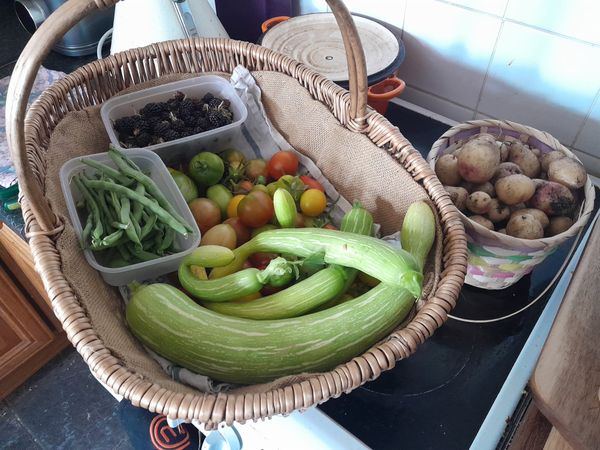
Whether it's a couple of cucumbers, a handful of ripe tomatoes, or a pair of heavy courgettes, I pick them immediately and tuck them away in the deepest shade on the plot. Sun-baked salad greens or wilted tomatoes do not make it to the dinner table in good condition; keeping them cool while I finish working preserves that fresh-picked quality.
Minute 8–15: Targeted Moisture Relief
With the harvest safely shaded, the final block of time goes to the most critical high-summer task: watering.
When time is tight, you cannot water everything. Trying to lightly sprinkle the whole plot in seven minutes is a waste of water that just encourages shallow roots. Instead, I practice triage:
- First Priority (The Heavy Drinkers): Cucumbers, squash, pumpkins, and tomatoes in pots or beds gets the lion's share of the water.
- Second Priority: Newly planted seedlings or young salad crops.
- Ignored Until Later: Established brassicas, root crops, or anything mulched that can wait for a deeper weekend soak.
I focus on getting water directly to the root zones of the thirstiest plants, dump the watering cans, grab my shaded harvest, and head back to the desk.
+-----------------------------------------------------------------+
|              ⏱️ THE 15-MINUTE MIDDAY ALLOTMENT TIMELINE         |
+-----------------------------------------------------------------+
|  TIME WINDOW   |  ACTION FOCUS                                  |
+----------------+------------------------------------------------+
|  0 - 3 Mins    |  Visual scan: check ready crops & urgent fixes |
|  3 - 8 Mins    |  Harvest immediately & stash crops in the shade|
|  8 - 15 Mins   |  Targeted watering: squash, cucumbers & tomatoes|
+----------------+------------------------------------------------+
The "Strictly Banned" Lunchtime List
The real secret to making a 15-minute visit work isn't what you do; it's what you refuse to do. To keep these visits stress-free, I have a strict ban on big jobs:
- No weeding: You will not clear that bindweed patch in ten minutes. You will only get frustrated and leave a half-finished mess.
- No bulk planting: Module planting requires proper bed prep and thorough soaking. Leave it for when you aren't watching the clock.
- No heavy infrastructure or mowing: Strimming, lawnmowing, or digging out beds is strictly weekend territory.
Growing Serious Food on a Tight Schedule
Running a plot on a busy schedule isn't about spending every waking hour in the dirt. Small, regular visits keep the harvest flowing, prevent minor issues from turning into plot disasters, and quietly stack up on the scales. In fact, after today's quick midday harvest, our official total has jumped to 32.8kg as we push toward that 100kg target!
If you are trying to produce a serious amount of food around real life, I've built the 100kg Plot Tracker to log every single pick that comes off the plot—even the quick 500g lunch break harvests that quickly add up over the season.